
Details That Define Every Room's Appearance
Trim Painting in Ossining for interiors where baseboards, casings, and molding show accumulated wear
Trim work concentrates visual attention because it frames doors, windows, and floor-to-ceiling transitions—any inconsistency in finish quality becomes immediately visible. Baseboards accumulate scuff marks and edge damage from furniture contact and cleaning equipment, door casings show wear at handle height where hands touch repeatedly, and crown molding collects dust that embeds in existing paint texture. Color Wheel Painting Inc specializes in trim, molding, and detail painting for residential interiors and commercial properties across Ossining, Greenville, and the Hudson Valley, handling the prep work required to create smooth, durable finishes on high-visibility surfaces that define room appearance more than walls do.
Trim painting involves sanding to remove previous buildup and create uniform surface texture, filling nail holes and joints that have opened as wood expands and contracts with seasonal humidity changes, priming to seal wood grain and create consistent base color, and applying finish coats that level smoothly without brush marks or sags at corners. Westchester homes often feature varied trim styles across different rooms, requiring consistent quality regardless of profile complexity or wood species.
Arrange a detailed estimate to review trim condition throughout your property and determine what prep work each surface requires..
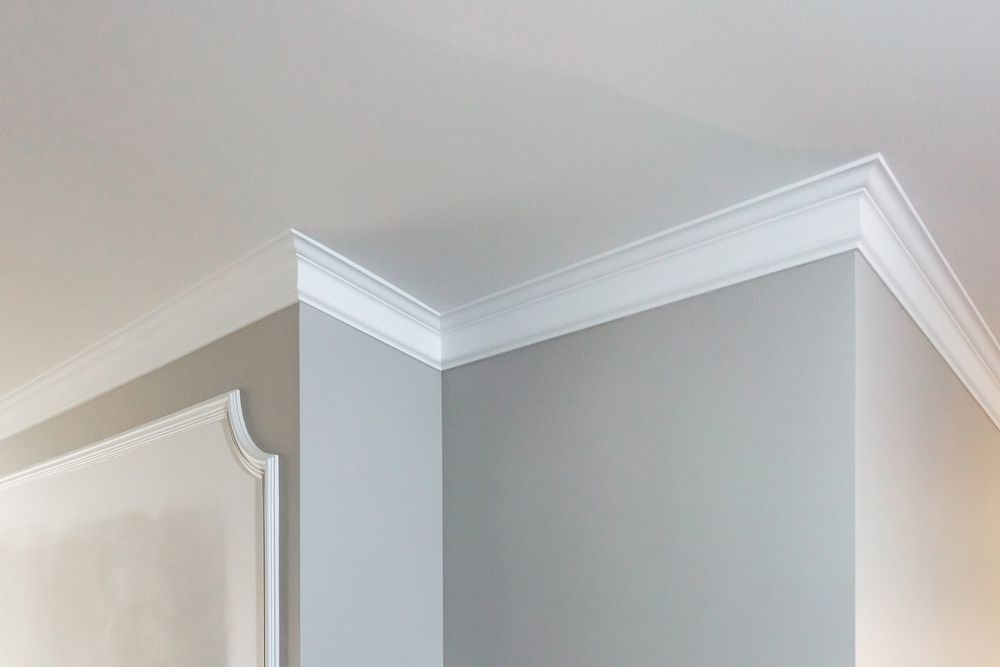
Why Trim Work Demands Different Techniques Than Wall Painting
Trim surfaces receive more direct contact than walls, making durability and smooth finish critical to long-term appearance. The process includes scraping edges where paint has built up over multiple prior jobs, sanding all surfaces to remove gloss and texture, caulking gaps where trim meets walls or where joints have separated, and applying multiple thin coats that cure hard enough to resist scuffing when furniture moves or vacuum cleaners make contact. Door casings require particular attention at the height where hands grip to pull doors closed, as this area shows wear faster than any other trim surface.
After completion, baseboards display sharp, clean lines where they meet flooring and walls instead of the wavy edges that appear when paint builds unevenly or caulk is applied carelessly. Crown molding shows consistent sheen across its entire profile without flat spots where insufficient material was applied to complex curves. Door and window casings feel smooth to touch rather than showing texture from rushed brushwork, and all trim surfaces hold color uniformly without the yellowing that occurs when primers designed for walls are incorrectly used on woodwork.
Owner-led quality control ensures finish meets standards before projects close, verifying that edges remain crisp, corners show no sags or drips, and all surfaces cure to the hardness required for trim exposed to daily contact. This attention matters in residential work where trim quality directly affects how finished rooms photograph and present during showings or when clients evaluate renovation outcomes..
Questions Before Starting Your Project
Residential clients across Ossining and Westchester County ask about prep requirements for trim that has been painted multiple times, timing within larger interior projects, and what separates quality trim work from standard painting.
What prep work happens on trim before painting?
All surfaces are sanded to remove buildup from previous jobs, edges are scraped clean where paint has thickened, nail holes and cracks are filled and sanded smooth, and joints are caulked to create seamless transitions—skipping these steps leaves texture and gaps visible after new paint dries.
How does trim painting coordinate with wall work?
Trim typically receives finish coats after walls are completed, allowing painters to cut clean lines where colors meet and preventing overspray or roller contact from damaging freshly painted woodwork—sequencing affects both efficiency and final appearance quality.
Why do baseboards show damage faster than other trim?
They sit at floor level where vacuum cleaners, furniture legs, and foot traffic create constant contact; proper prep includes extra sanding to remove existing scuffs and application of durable finish coats formulated to resist abrasion better than standard wall paints.
What makes crown molding difficult to paint correctly?
Complex profiles with curves and shadow lines require careful brushwork to avoid sags in recessed areas and ensure even coverage across raised details—rushing application leaves thin spots visible when light hits the molding at certain angles throughout the day.
How should trim look after professional painting finishes?
All edges appear sharp and straight without waviness, surfaces feel smooth without brush texture, joints show no gaps or caulk lines, and finish sheen remains consistent across all trim in every room—variations indicate inconsistent prep or application technique.
Color Wheel Painting Inc has completed trim and detail work on residential and commercial properties throughout Ossining and Westchester County for twenty years, refining methods to handle the precision required on high-visibility surfaces. Schedule an evaluation to identify specific trim concerns and receive detailed scope recommendations based on current condition.