
Walls That Hold Up to Seasonal Humidity
Interior Painting in Ossining for homes with visible wear from year-round moisture fluctuations
Westchester County's seasonal humidity swings leave visible marks on interior walls—paint that bubbles near windows, trim that shows adhesion failure, and finishes that fade unevenly in rooms with inconsistent climate control. Color Wheel Painting Inc handles interior painting for residential homes and commercial properties across Ossining, addressing the prep work and material choices required when moisture moves through walls during freeze-thaw cycles. Properties near the Ossining riverfront demand moisture-resistant primers and application techniques that account for salt air infiltration, ensuring finishes bond correctly and remain stable through temperature shifts.
The service covers walls, trim, and all prep work required to restore interior surfaces that show wear from humidity, daily use, or incomplete prior paint jobs. Surface preparation includes sanding failed areas, priming with products formulated for high-moisture environments, and applying finish coats that remain intact when condensation forms on windows during winter or air conditioning runs in summer.
Schedule a property evaluation to identify specific prep requirements based on your home's moisture patterns..
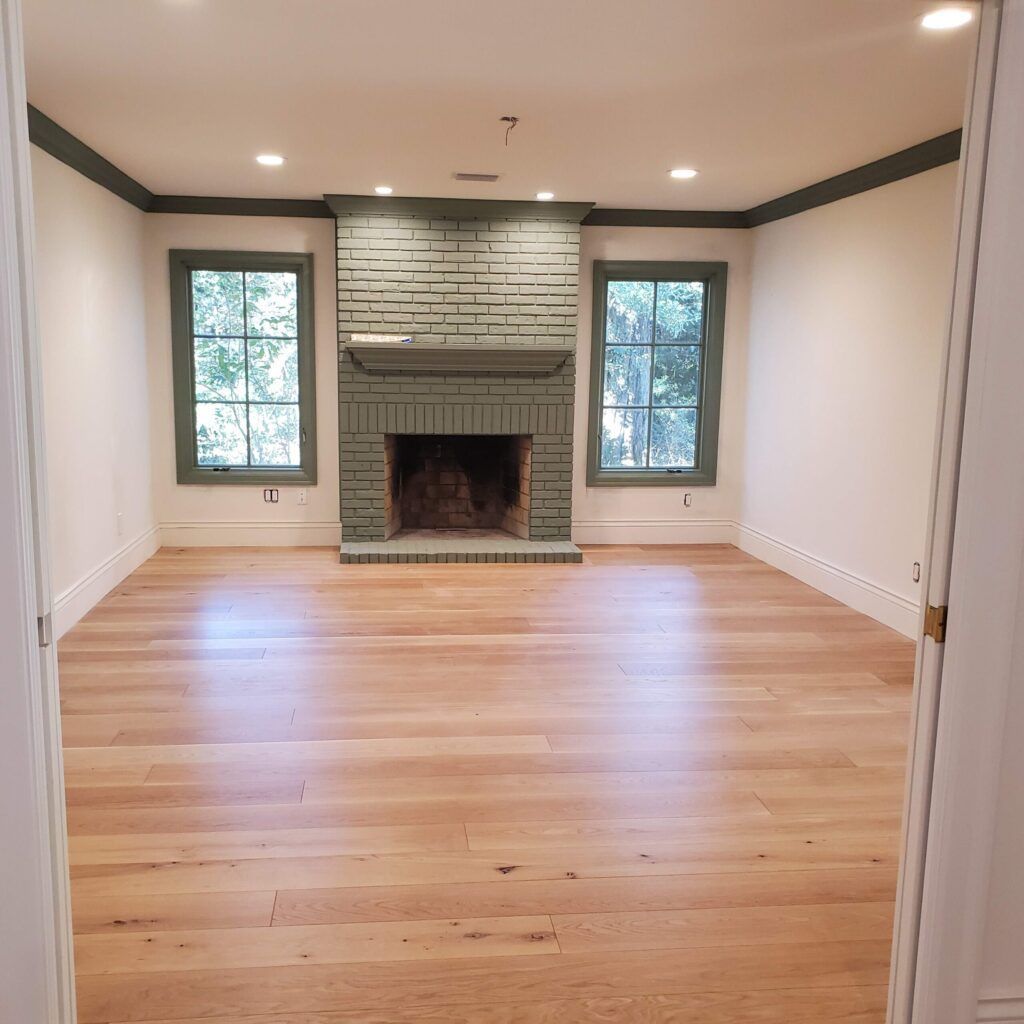
What Proper Interior Prep Requires in High-Moisture Areas
Interior painting in Westchester County begins with identifying where moisture has already compromised adhesion—areas where paint lifts at edges, surfaces that feel soft under pressure, or trim showing separation from substrate. Every project includes full surface prep: sanding to remove failing material, applying moisture-resistant primer to create a stable base, and using finish paints formulated to flex slightly as humidity changes rather than cracking under seasonal stress.
Once the work finishes, walls hold color evenly without the blotchy fading that occurs when moisture moves through improperly sealed surfaces. Trim remains bonded at edges instead of lifting away during the first humid month, and you no longer see the fine cracks that appear when standard paints dry too rigid for Westchester's climate swings. Rooms look consistent across all lighting conditions because the finish coat adheres uniformly rather than creating thin spots where moisture interfered with bonding.
The process includes owner-led quality review on every project, ensuring prep work meets standards before any finish coat goes on. Color Wheel Painting Inc has operated in Ossining and surrounding Westchester areas for twenty years, building its client base through repeat work and direct referrals rather than volume-driven scheduling that cuts corners on surface preparation..
Common Questions About Interior Work
Residential and commercial clients in Ossining typically ask about prep requirements, timing around weather conditions, and what differentiates moisture-appropriate finishing from standard application methods.?
What prep work happens before painting starts?
All surfaces are inspected for adhesion failure, sanded to remove compromised material, and primed with moisture-resistant products that create a stable base for finish coats—particularly critical in Ossining properties near the Hudson River where salt air accelerates paint breakdown.
How does seasonal humidity affect interior painting timelines?
Application happens during periods when indoor humidity stays below seventy percent, allowing primers and paints to cure correctly; scheduling around Westchester's spring and fall moisture peaks prevents adhesion problems that show up months after completion.
What makes trim painting different from wall work?
Trim requires sanding to smooth previous buildup, separate priming to seal wood grain, and finish application that accounts for expansion and contraction where different materials meet—baseboards against flooring, casings around door frames, crown molding at ceiling joints.
Why do some interior paint jobs fail within a year?
Skipping moisture-resistant primer, applying finish coats over incompletely cured base layers, or using paints not formulated for humidity fluctuations causes the bubbling and peeling visible in homes where contractors prioritized speed over proper prep sequencing.
What should change after interior painting finishes?
Walls hold consistent color without blotchy areas where moisture affected adhesion, trim stays bonded at all edges instead of lifting during seasonal humidity changes, and surfaces remain smooth rather than developing the fine cracks that appear when rigid paints can't flex with substrate movement.
Color Wheel Painting Inc reviews every interior project personally to confirm prep and application meet Westchester moisture standards before calling the work complete. Request a detailed estimate based on your home's current surface condition and location-specific moisture exposure.